US-Israel Strategy: Unpacking the Escalation Against Iran in 2026
The year 2026 has marked a dramatic and devastating turning point in the geopolitical landscape of the Middle East. Since its onset on February 28, the conflict, now in its fifth day, has plunged the region into an unprecedented crisis. What began as a series of targeted actions has rapidly escalated into a full-scale war, driven by a complex interplay of strategic ambitions, regional rivalries, and global power shifts. At its heart lies a decisive US-Israel strategy aimed at neutralizing Iran, a move with far-reaching implications that continue to unfold.
The Spark and Immediate Aftermath: A Region on Edge
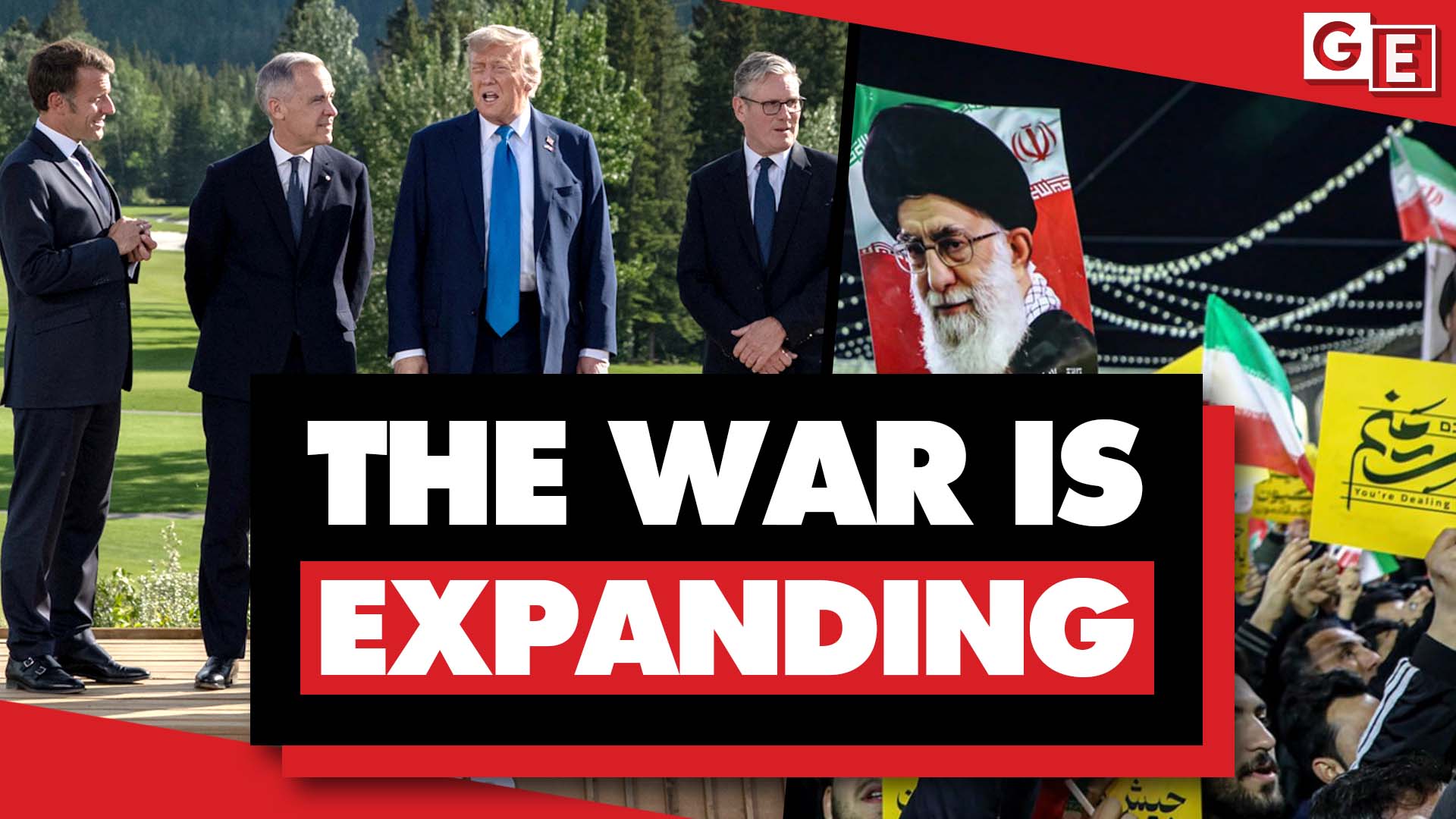
The current hostilities, centered primarily in the Persian Gulf, were ignited by a series of shocking assassinations targeting high-ranking officials of the Islamic Republic of Iran. The most significant of these was the killing of Ayatollah Ali Khamenei, Iran's supreme leader. This audacious act sent immediate shockwaves through the country, creating an abrupt power vacuum that saw an Interim Leadership Council swiftly assume control. The removal of Khamenei, a figurehead of immense authority and continuity, has undoubtedly destabilized the Iranian regime at a critical juncture, rendering its response less predictable and potentially more volatile.
In swift succession to these high-profile eliminations, two critical events underscored the immediate and severe escalation of the conflict:
- Closure of the Strait of Hormuz: This vital maritime chokepoint, through which a significant portion of the world's oil supply passes, was closed. This move has immediate and dire global economic consequences, sending energy prices spiraling and threatening international trade routes. The strategic importance of the strait cannot be overstated; its closure is a direct challenge to global stability and a powerful demonstration of Iran's capacity to disrupt international commerce.
- Hezbollah-Israel Conflict: Simultaneously, the long-standing tensions between Hezbollah and Israel erupted into open and intense conflict. This synchronized escalation suggests a carefully coordinated strategy by Israel, possibly with US backing, to engage Iran and its proxies on multiple fronts. The fighting between Hezbollah and Israel further complicates the regional dynamics, adding another layer of humanitarian and military crisis to an already volatile situation.
These initial actions set a dangerous precedent, signaling a shift from proxy skirmishes and covert operations to direct, overt military engagement. The speed and intensity of this escalation of the Iran war have caught many observers off guard, highlighting the fragile nature of peace in the Middle East.
Unraveling the Belligerents: A Complex Web of Alliances
The conflict has drawn clear battle lines, but also revealed a complex tapestry of alliances and defensive postures:
- The Offensive Coalition: Spearheading the military action are Israel and the United States. Their strategic alignment against Iran is not new, but the current level of direct engagement represents a significant departure from past policy. Interestingly, Qatar has also joined this offensive coalition, a move that bears scrutiny given its historical role as a mediator and its own complex relationships within the region. Qatar's involvement could be a strategic calculation to align with powerful Western allies, or it might reflect deep-seated grievances or security concerns related to Iran's regional influence.
- The Iranian Axis: Opposing this coalition are Iran itself, alongside its formidable proxies: Hezbollah in Lebanon and the Popular Mobilization Forces (PMF) in Iraq. These groups represent significant asymmetric warfare capabilities and deep roots within their respective societies, making them challenging adversaries to confront directly.
- Defensive Involvement: A host of other nations are involved strictly in a defensive capacity, reflecting a shared concern about the conflict's spillover. These include Saudi Arabia, Azerbaijan, Bahrain, Cyprus, Kuwait, the United Arab Emirates, France, Greece, and Iraq (including Iraqi Kurdistan). Their defensive postures underscore the widespread fear of regional destabilization and the potential for the conflict to engulf neighboring states. These nations are likely deploying air defenses, enhancing border security, and preparing for humanitarian contingencies, rather than engaging in direct combat operations. The presence of European nations like France and Greece also highlights the global implications, particularly concerning energy security and maritime trade routes in the Mediterranean and beyond.
The involvement of so many regional and international players, even defensively, paints a clear picture of the sheer scale and potential ramifications of this escalation of war in Iran. The US-Israel strategy has effectively created a significant regional realignment, forcing nations to declare their positions in a rapidly evolving crisis.
Strategic Underpinnings: Why Now?
The timing and nature of this escalation are not arbitrary. Political scientist and internationalist Oswaldo Dehon provides crucial insights into the underlying factors fueling the conflict. Dehon points to a "degradation of political value and international disorganization" as a fertile ground for such a war, suggesting a weakened global governance framework that struggles to contain regional crises.
Several key motivations appear to be driving the current US-Israel strategy:
- US Reassertion of Power: Dehon postulates that the growing diplomatic and economic ties forged by China have spurred the United States, particularly under a renewed presidency (implied to be Donald Trump by Dehon's context), to seek to recover its "supreme power" on the global stage. A decisive military action in the Middle East, particularly against a long-standing adversary like Iran, could be seen as a way to project strength and reassert US dominance in a strategic region.
- Netanyahu's Strengthened Position: In Israel, Prime Minister Benjamin Netanyahu's political standing appears to have been significantly bolstered by perceived defeats inflicted upon Hamas and Hezbollah. This consolidation of power at home may have emboldened him to pursue a more aggressive and definitive strategy against Iran, which Israel considers its ultimate existential threat in the region. The ability to present a strong national security posture often translates into increased domestic support, creating a powerful incentive for decisive action.
- Neutralizing Iran: From Israel's perspective, neutralizing Iran is a strategic imperative. Iran's nuclear program, its support for proxy groups like Hezbollah and Hamas, and its regional influence have long been viewed as direct threats to Israeli security. In this context, joint attacks with the US offer Israel the opportunity to achieve a long-sought strategic goal: to eliminate or severely cripple Iran's capacity to project power and threaten its neighbors.
These factors coalesce to suggest a calculated, if immensely risky, strategy by the US and Israel. It's a high-stakes gamble to reshape the Middle East's power dynamics, driven by a blend of domestic political considerations, regional security concerns, and global power competition.
Implications and Future Outlook: Navigating the Vortex
Just five days in, the Iran war escalation has already left a "considerable trail of destruction and deaths," with no clear short-term resolution in sight. The assassination of Ayatollah Khamenei, while destabilizing Iran, also removes a familiar, albeit adversarial, figure from the political landscape. The interim leadership faces the monumental task of maintaining control amidst external assault and internal dissent, potentially leading to prolonged instability.
The closure of the Strait of Hormuz will continue to reverberate globally. Businesses, particularly those reliant on global supply chains and energy imports, must brace for sustained volatility and increased costs. Governments worldwide will be pressured to find alternative energy sources and maritime routes, exacerbating existing geopolitical tensions.
Practical Considerations for Navigating the Crisis:
- Energy Market Monitoring: Individuals and businesses should closely monitor global energy prices and consider diversifying energy sources or hedging against price fluctuations.
- Supply Chain Resilience: Companies need to reassess and build resilience into their supply chains, particularly those with dependencies on Middle Eastern routes or resources.
- Humanitarian Awareness: The humanitarian cost will be immense. Support for international aid organizations working in the region will be critical.
- Diplomatic Engagement: While international organization may be "disorganized," pressure for diplomatic solutions and de-escalation must remain a priority for global actors.
The current situation is not merely a regional spat; it is a global flashpoint. The involvement of non-state actors like Hezbollah and PMF ensures that the conflict will be multifaceted, involving both conventional and asymmetric warfare. The long-term consequences could include a severe reshaping of regional alliances, a lasting impact on global energy security, and an unprecedented humanitarian crisis. The US-Israel strategy, while aiming to neutralize a perceived threat, has opened a Pandora's Box whose contents are still being revealed.
The US-Israel strategy to escalate against Iran in 2026 represents a pivotal moment in contemporary history. Driven by a complex mix of geopolitical ambition, regional security concerns, and domestic political calculations, this conflict has rapidly evolved from targeted strikes to a full-blown war. With the assassination of Ayatollah Khamenei and the closure of the Strait of Hormuz, the stakes could not be higher. As the fighting continues with no clear end, the world watches, bracing for the profound and lasting impact this strategic gamble will have on the Middle East and global stability for decades to come.